
The questions of oral historys interview (part I)
A Strong Interview Is Tied with Research
Akram Dashtban
Translated by: Fazel Shirzad
2018-6-19
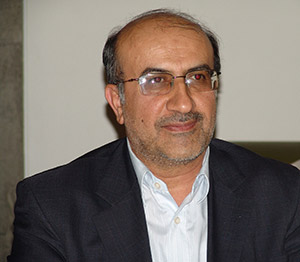
Note: Following report is based on an invitation in which history experts are asked questions about oral history. In this regard, one of experts, as his perspective, has answered to one of questions titled "what are characteristics of the questions of oral history's interview"; Kianoush Haftlang (PhD) presented his responses in the form of notes that we'll read these comments as follows.
■
Oral history studies on the knowledge and experiences of informed individuals about events in an active, informed, and targeted conversation, and records audio and video tapes This method (i.e. oral history) is an important and necessary tool for understanding the past not so distant, and preserving the past of each individual and historical flows in various dimensions for the future.
Subject-tracking in oral history (interview's topic)
The first step for a creative dialogue and interview in oral history is selecting the subject or topic for interview. We must clearly know someone who we are going to interview with, and something what we are going to speak about, is the subject of interview about interviewee? Or someone else? What you are going to speak about?
Choosing a case and good subject is the first condition for conducting a substantive interview. Interview means conversation. But in practice, each of these words has different meanings and uses, and an interviewer needs to pay attention to them.
When two people communicate with each other verbally, conversation takes place. But necessarily this conversation does not mean an interview. Many telephonic talks and daily dialogues of people are conversational one. Interviews take place in the form of journalistic and oral history. In the interview, reporter asks number of questions for interviewee and get answers, while these questions are independent in the same unity.
In many cases, the first and second questions are not related to each other and are exactly made in the form of a written interview to answer the question of journalist who is not present. But questions, in spite of united, are interconnected and related. There is a kind of challenge between parties. In other words, it involves controversy or discussion. The first question, that is raised, is always in the aspect of the interview, and if reporter and interviewer are master on subject and familiar with interview techniques, s/he will be able to direct it toward a conversation.
Preparation before the interview
In addition to familiar with technique and methodology, interviewer should carefully study on topic of interview: before interviewing about subject, the use of archives, the study of document related to subject and the study of related subject books are such examples of gaining information. Professional researcher makes an interview stronger, more rigorous and richer forces.
Interviewee's situations in oral history
Interviewee should be informed before doing interview and given outline to prepare for herself/ himself, preferably write down or keep in his mind. The framework of interview should be already specified. We should not forget that we want response for unknown, not known, each question should have exact timing, the interviewer should take subject into consideration, and recorded interview should be transcribed, edited and legal issues should be raised and edited text should be signed by narrator.
How to make a fascinating interview
In addition information and expertise required on the subject of interview, the techniques of interview should also be mastered in order to provide a great interview. You should have full knowledge on the characteristics of a professional interview. How an interview is started, promoted and finished, providing portraiture and description in an interview, take notes and how to use them, and finally the way of arranging an interview are the points that if they are paid attention and considered, they causes interview to be enjoyable and interesting for readers.
Iranian oral history website asks question to experts about oral history, and publish responses to readers. Total responses will have remarkable results. If you have question, please feel free to submit it via this page to read comments from experts of oral history!
Number of Visits: 5872
Share


The latest
Most visited
Call for Fundamental Questions in the Field of Oral History
The Oral History of Iran website invites all researchers, experts, professors, and activists in the field of oral history to share their views and experiences with the audience on the most important questions in this field. We ask you to raise a maximum of 10 fundamental questions in the field of oral history that every researcher, interviewer, and oral history enthusiast should think about, and write an answer for each in about 200 words.100 Questions / 43
How can narrators and interviewers reach a common understanding?We asked several researchers and activists in the field of oral history to express their views on oral history questions. The names of each participant are listed at the beginning of their answers, and the text of all answers will be published on this portal by the end of the week.
Documentary Pathology of the US Embassy Documents
The Necessity of Scientific Rereading and Content Analysis of DocumentsMore than four decades have passed since the publication of the first collections of documents from the US Embassy in Tehran. However, despite the relatively easy access to this treasure trove of documents, systematic research exploitation of it has not been adequate. We still do not have a “comprehensive picture” of the content of these 11,000 documents.
100 Questions / 42
What is the importance of the narrator and interviewers shared understanding of the past in oral history?We asked several researchers and activists in the field of oral history to express their views on oral history questions. The names of each participant are listed at the beginning of their answers, and the text of all the answers will be published on this portal by the end of the week.

