
Rationalization of Oral History Books (part I)
Reliable sources enrich Rationalization
Akram Dashtban
Translated by: Fazel Shirzad
2018-5-22
Note: Following report is based on an invitation in which history experts are asked questions about oral history. In this regard, one of experts, as his perspective, has answered to one of questions titled "The amount of rationalization and appendix in oral history books". We'll read these comments as follows.
■
Rationalization, in oral history, provides a greater sense of comprehension of text for contemporary readers and even next generations. "What does Rationalization mean?" It is a question that Hojatoleslam Seyyed Vali Hashemi, author of Sacred Defense's books and deputy of Mazandaran province's Art Center, said: Rationalization of oral history includes of documentary materials that a complier provides them by using reliable sources about individuals, places, concepts, and terms and with the aim of eliminating the ambiguity of the text, and transfer more information to reader.
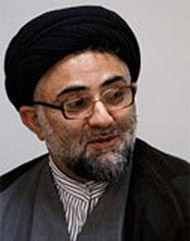
He explained about the extent of the rationalization in the text: The extent of rationalization should convince the complier of work.
This extent may be two lines or half, but it should not be larger than a quarter of a page or half a page. In fact, the rationalization should not be so large that it affects the structure of the work. Rationalization can be included in books in four forms: first, using of reference in text. Second, using of footnote. Third, it can be used at the end of chapter and Fourth, using of appendix.
The author of book "Hajj Imran" further states that rationalization in the work is one advantage for a book and author, and added: rationalization clarifies two points; firstly, the complier is a researcher, and secondly, s/he considers readers’ comprehension.
He said that if interviewer had more proficiency and skill over subject and the manner of interviewing, he would lower the necessity of paying attention to rationalization. I disagree with this idea, because narrator may speak about a military district, but there is no information about its geographical location; therefore, complier is responsible for rationalization in footnote on military districts or terms. Also, it is possible, a person does not remember memories well; here, complier clarifies subject through Reliable maps and resources.
Hashemi went on to say about oral rationalization practices in oral history books, and said: "rationalization initially introduces places, individuals, and concepts." Secondly, it introduces the issue correctly.Thirdly, shows that author's work is based on research and does not involve the transcription of an interview, and ultimately adds to the scientific power of a book and the richness of materials.
He went on to explain the issues that threaten rationalization: "It should be noted that if rationalization is more than text, it may cause narrator to be dissatisfied or subject to be lost. It may also be confusing for someone who rationalize, or cause him/her to use Reliable sources or sites. In rationalization, there may be a nominal similarity that complier is not able named it well, or source which introduced by complier is unknown.
Hashemi added: To resolve problems in the field of resources, complier should use of reference books and if s/he uses a site as a reference, it should be mentioned in footnote completely. Of course, in the field of sacred defense, you should refer to valid sites in related area or official sites of army and Sepah[1].
■
Iranian oral history website questions experts about oral history, and publish responses to readers. Total responses will have remarkable results. If you have any questions, please feel free to submit it via this page to read comments from experts of oral history!
[1] Islamic Revolutionary Guard Corps
Number of Visits: 5969
Share


The latest
- The Third Regiment: Memoirs of an Iraqi Prisoner of War - 50
- Narrative and the "War of Narratives" in the Era of Resistance and Imposed Wars
- Memories of Mohammad Boloori
- Call for Fundamental Questions in the Field of Oral History
- 100 Questions/49
- The Third Regiment: Memoirs of an Iraqi Prisoner of War - 49
- Jasem Ghazbanpour's narration of the first day of the war in Khorramshahr
- Memoirs of Ali Fadaei
Most visited
- The Third Regiment: Memoirs of an Iraqi Prisoner of War - 48
- 100 Questions/48
- The Relationship Between Oral History and Biography
- Jasem Ghazbanpour's narration of the first day of the war in Khorramshahr
- Memoirs of Ali Fadaei
- The Third Regiment: Memoirs of an Iraqi Prisoner of War - 49
- 100 Questions/49
- Call for Fundamental Questions in the Field of Oral History
100 Questions / 43
How can narrators and interviewers reach a common understanding?We asked several researchers and activists in the field of oral history to express their views on oral history questions. The names of each participant are listed at the beginning of their answers, and the text of all answers will be published on this portal by the end of the week.
Documentary Pathology of the US Embassy Documents
The Necessity of Scientific Rereading and Content Analysis of DocumentsMore than four decades have passed since the publication of the first collections of documents from the US Embassy in Tehran. However, despite the relatively easy access to this treasure trove of documents, systematic research exploitation of it has not been adequate. We still do not have a “comprehensive picture” of the content of these 11,000 documents.
100 Questions / 42
What is the importance of the narrator and interviewers shared understanding of the past in oral history?We asked several researchers and activists in the field of oral history to express their views on oral history questions. The names of each participant are listed at the beginning of their answers, and the text of all the answers will be published on this portal by the end of the week.
Validation: Challenges and Necessities
Where does truth stand in oral history? How can the correctness of a narrative be recognized? Does fact-checking matter? If there is exaggeration in the reporting of some accounts, how can it be detected? Is it possible to record an event accurately through the recording of a narrative? Readers and users of oral history works are often faced with these questions, and sometimes encounter doubts about some oral history works.
