Pictorial Untold Stories of a Diplomat:
A look at documents and pictures of Seyyed Mohamad Sadr – No.1
Translated by Mandana Karimi
2026-3-4
The book Revolution and diplomacy in the memories of Seyyed Mohammad Sadr by research and compilation of Mohammad Ghobadi is one of the works of oral history which says the important events of the Islamic Revolution and the early years of government establishment (until the fall of 1985). One of the most intriguing and documented parts of this book is the appendices, documents and historical images of different periods of life and political activities of the narrator, which will be published in two sections (1 and 2) on the Iranian oral history website. We will invite you to the first part of these photographs and historical documents.
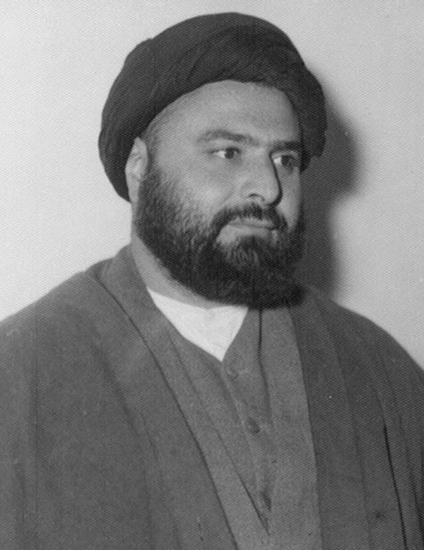
Ayatollah Seyyed Reza Sadr in his 30s.
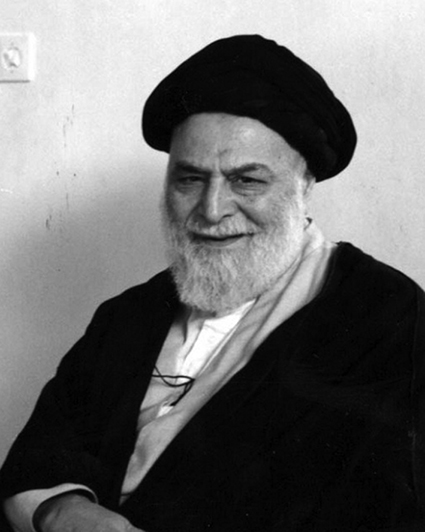
Ayatollah Seyyed Reza Sadr in his 70s.
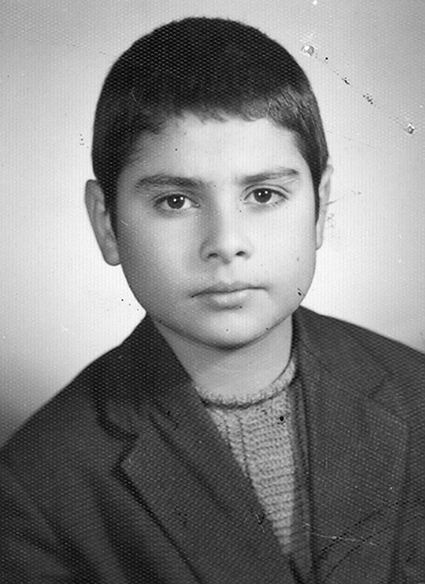
1963, Qom, Owhadi Elementary School
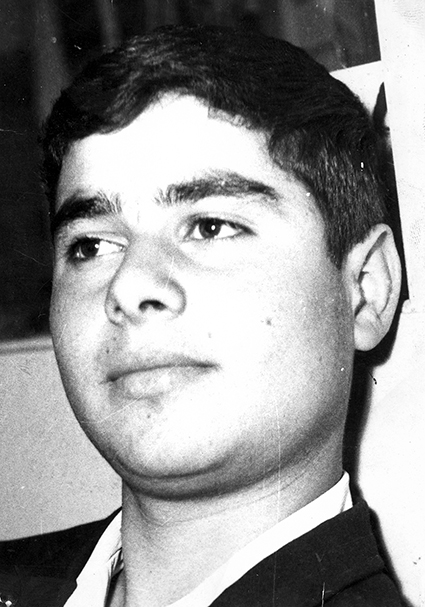
1968
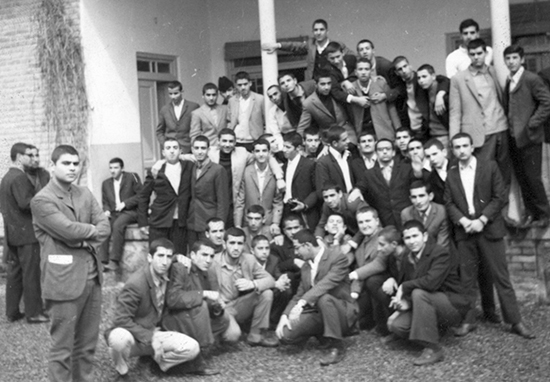
1969, Qadir Feast (Brotherhood celebration), 6th grade, Alavi High School
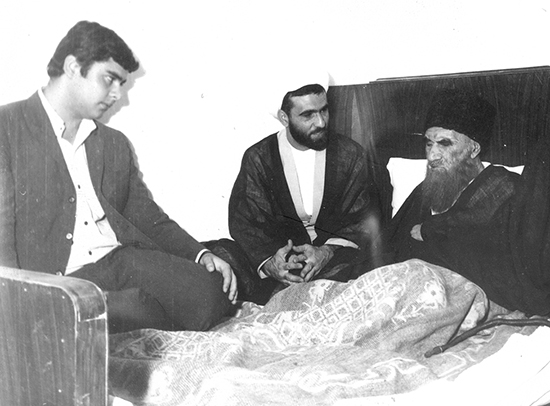
1970, Isfahan, At the house of Ayatollah Haj Agha Rahim Arbab, along with the late Mr. Ali Hojati Kermani
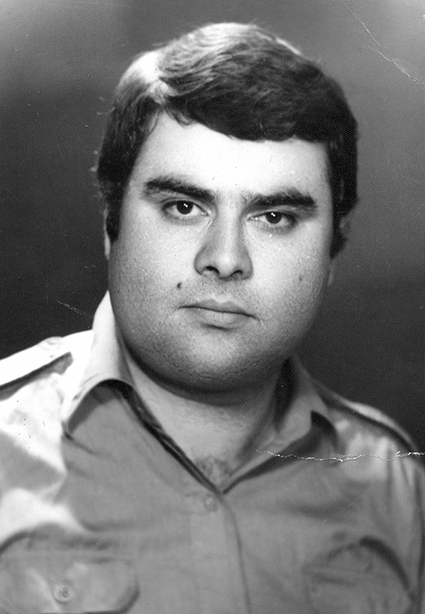
1972
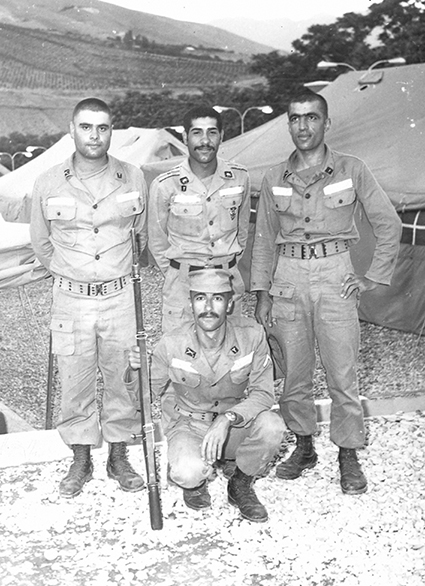
1972, Lashgarak Garrison, Military Education, along with Dr. Mohammad Ali Shahroudi
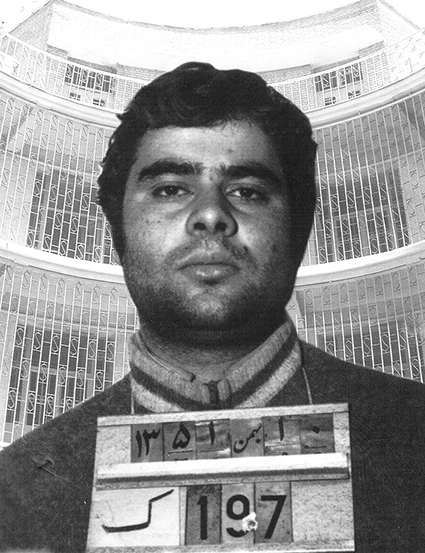
1973 January 30, Common Committee of Anti-sabotage
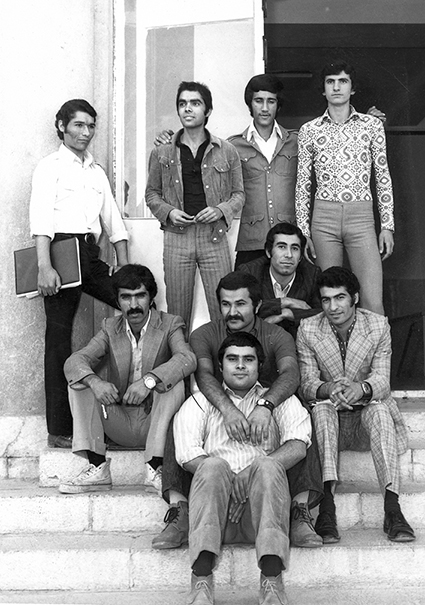
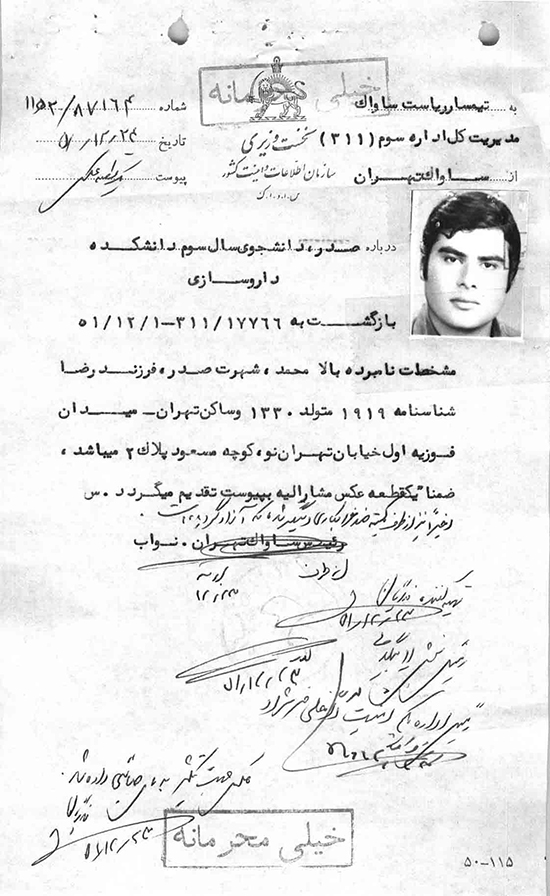
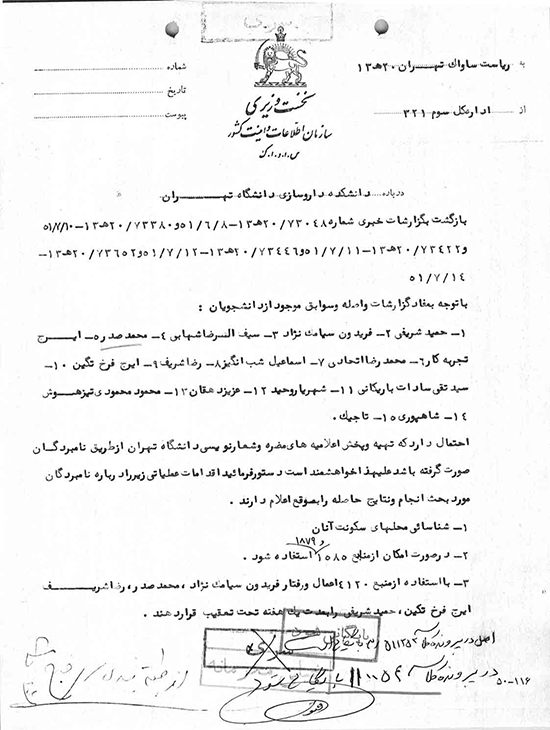
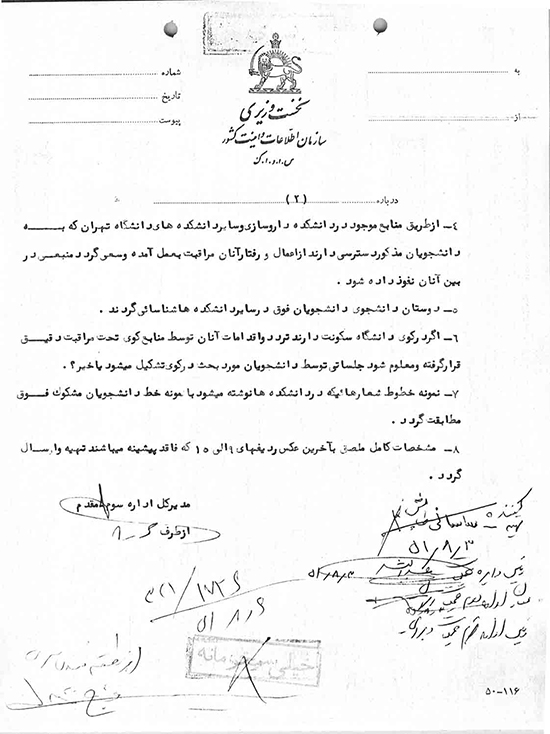
1973, in front of Faculty of Pharmacy, University of Tehran, along with other students
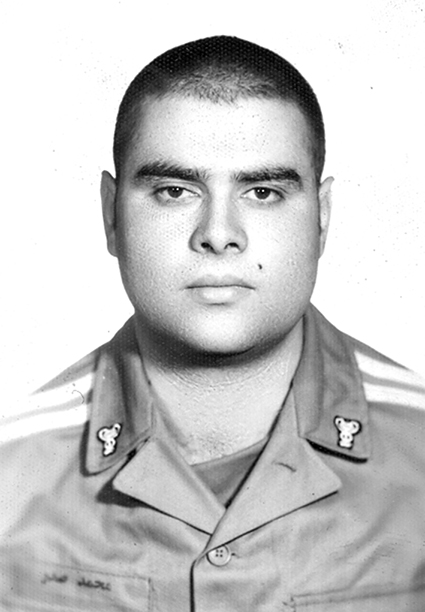
1976, before getting 1st lieutenant rank
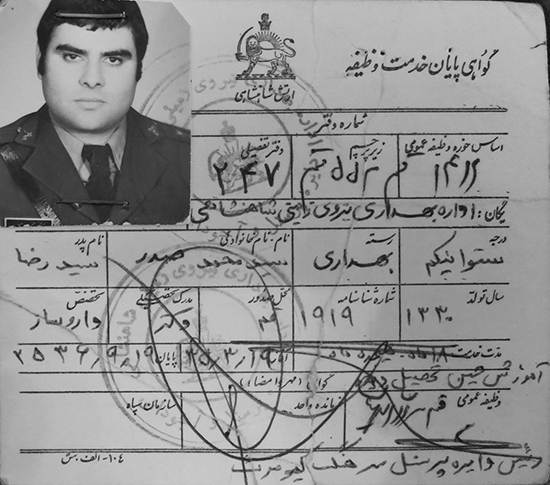
1977 December 10, certificate of finishing military service certificate
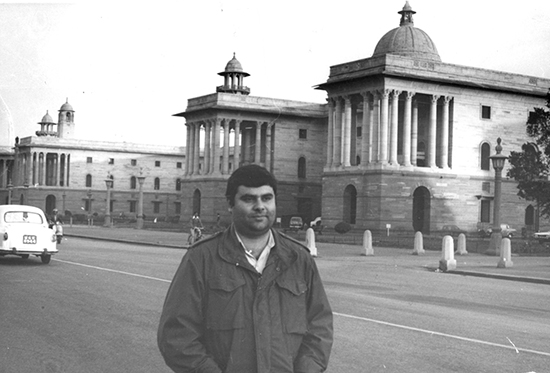
1981 February 11, New Delhi, the first mission at the time of serving in Prime Minister Office
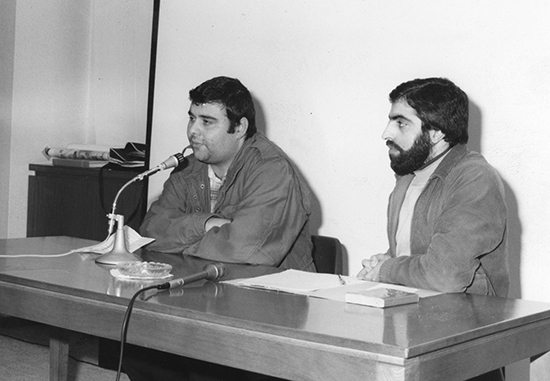
1982 February 11, London (England), Speech for the anniversary of Fajr 10-days feast
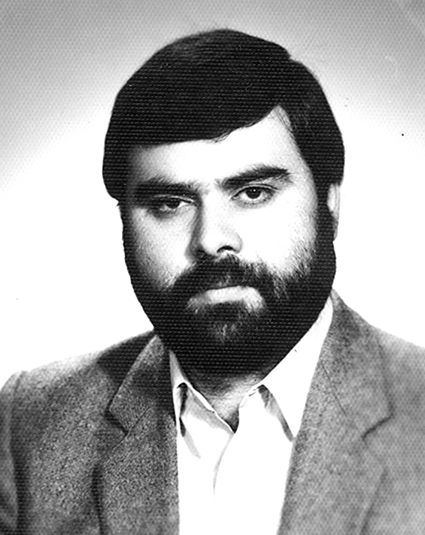
1982, a year after entering Foreign Minister
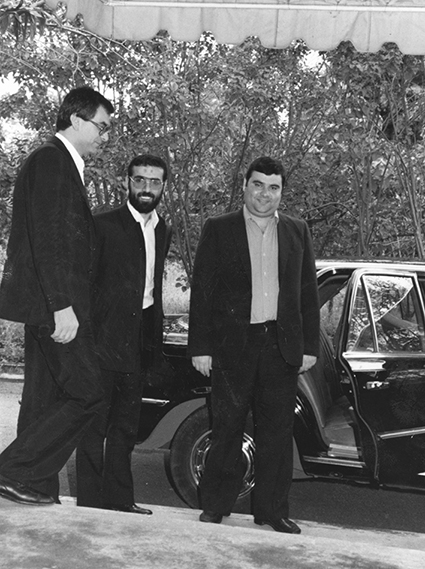
Winter of 1982, Islamic Republic of Iran Embassy in Brazilia, Mr. Tavakoli (Iranian charge-daffaires in Brazil)
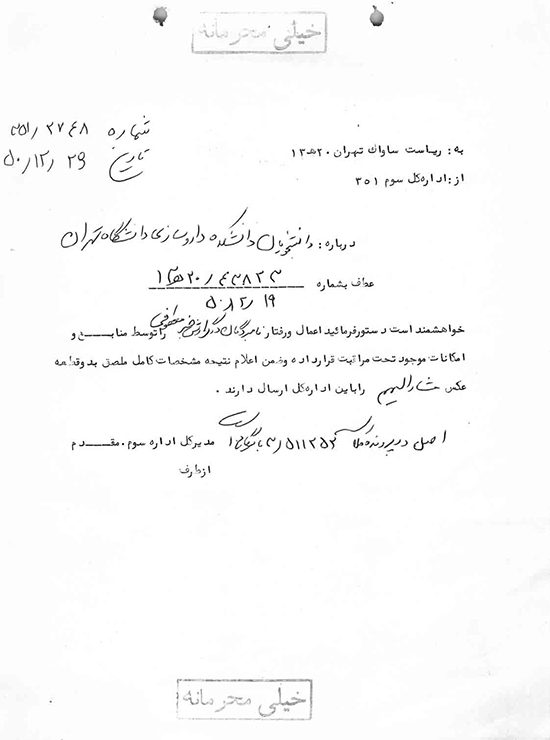
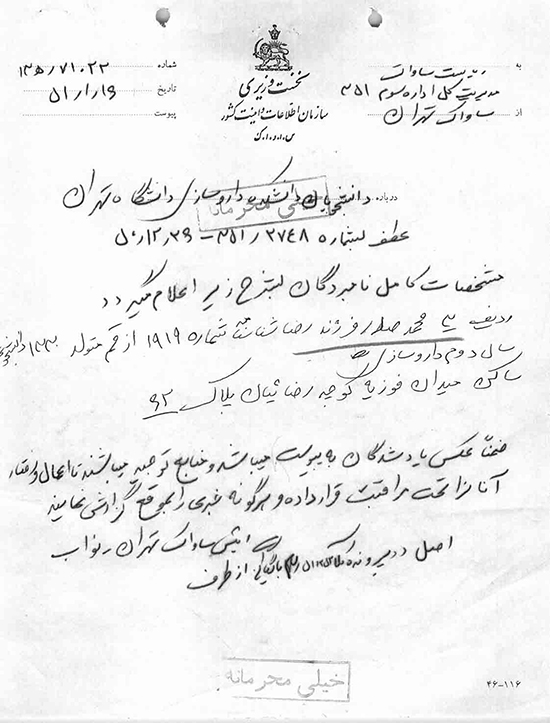
Mr. Sadrabadi said … for any case happening in the faculty, there would be report for you … your case is not suitable!
Number of Visits: 408
Share


The latest
- Narrative and the "War of Narratives" in the Era of Resistance and Imposed Wars
- Memories of Mohammad Boloori
- Call for Fundamental Questions in the Field of Oral History
- 100 Questions/49
- The Third Regiment: Memoirs of an Iraqi Prisoner of War - 49
- Jasem Ghazbanpour's narration of the first day of the war in Khorramshahr
- Memoirs of Ali Fadaei
- The Relationship Between Oral History and Biography
Most visited
- The Third Regiment: Memoirs of an Iraqi Prisoner of War - 48
- The Relationship Between Oral History and Biography
- 100 Questions/48
- Seventh Theory: The evolutionary duality of document and narrative
- Jasem Ghazbanpour's narration of the first day of the war in Khorramshahr
- Memoirs of Ali Fadaei
- The Third Regiment: Memoirs of an Iraqi Prisoner of War - 49
- 100 Questions/49
100 Questions / 43
How can narrators and interviewers reach a common understanding?We asked several researchers and activists in the field of oral history to express their views on oral history questions. The names of each participant are listed at the beginning of their answers, and the text of all answers will be published on this portal by the end of the week.
Documentary Pathology of the US Embassy Documents
The Necessity of Scientific Rereading and Content Analysis of DocumentsMore than four decades have passed since the publication of the first collections of documents from the US Embassy in Tehran. However, despite the relatively easy access to this treasure trove of documents, systematic research exploitation of it has not been adequate. We still do not have a “comprehensive picture” of the content of these 11,000 documents.
100 Questions / 42
What is the importance of the narrator and interviewers shared understanding of the past in oral history?We asked several researchers and activists in the field of oral history to express their views on oral history questions. The names of each participant are listed at the beginning of their answers, and the text of all the answers will be published on this portal by the end of the week.
Validation: Challenges and Necessities
Where does truth stand in oral history? How can the correctness of a narrative be recognized? Does fact-checking matter? If there is exaggeration in the reporting of some accounts, how can it be detected? Is it possible to record an event accurately through the recording of a narrative? Readers and users of oral history works are often faced with these questions, and sometimes encounter doubts about some oral history works.