
A Look at the Documents and Photographs from the Memoirs of Seyed Mohammad Sadr – Part 2
Compiled by Iranian Oral History Website
Translated by Fazel Shirzad
2026-04-08
In continuation of publishing the appendices and historical documents of the book ‘Revolution and Diplomacy in the Memoirs of Seyed Mohammad Sadr’ (researched and compiled by Mohammad Ghobadi), we now reach the second and final part of this collection.
As mentioned earlier, this oral‑history work recounts key events of the Islamic Revolution and the early years of the establishment of the new government from the perspective of this veteran diplomat. In this section, we invite you to view the second set of photographs and historical pages preserved from various periods of the narrator’s life and political activities.
You can view the first part of these documents and photographs here.
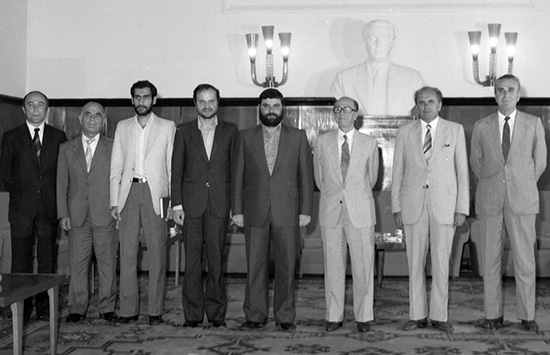
August 8 of 1983, Tirana (Albania), Prime Ministry Palace
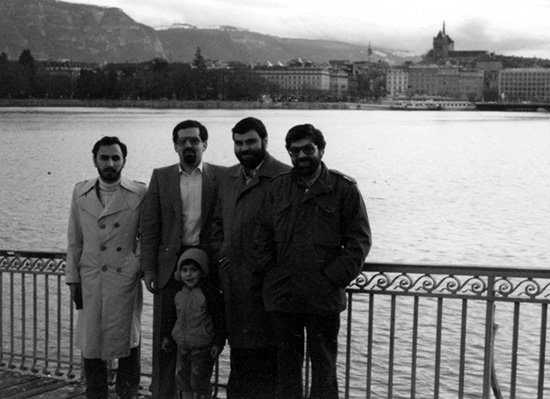
December 1983, by Lake Geneva, Mr. Nematollahi (Iran’s Ambassador to Switzerland) and Mr. Alireza Salar
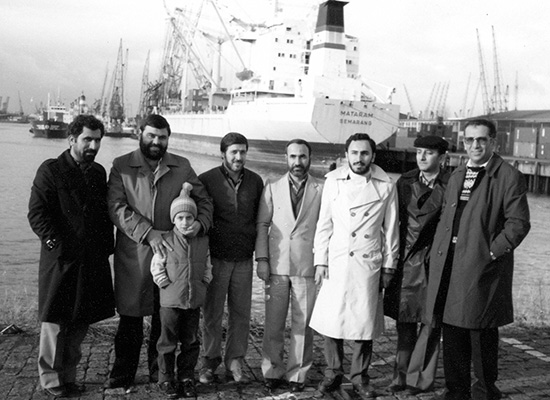
December 1983, Port of Rotterdam (Netherlands), accompanied by colleagues from the Ministry of Foreign Affairs.
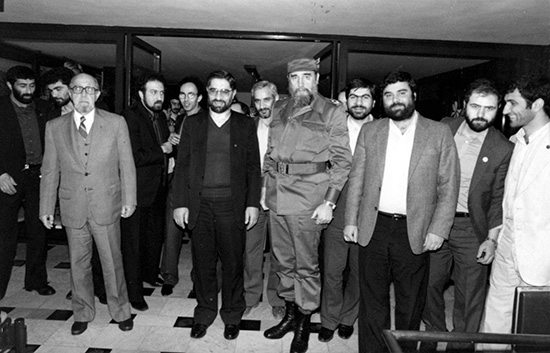
Winter 1983, Havana (Cuba), Fidel Castro, Engineer Mousavi, me, Mohsen Aminzadeh, Hossein Adeli, Mohammad Aghazadeh, and Alavi Tabatabaei.
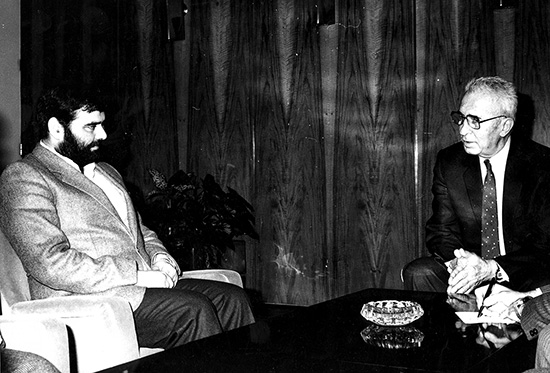
March 1984, meeting with Pilatovich (member of the Presidency of Yugoslavia).
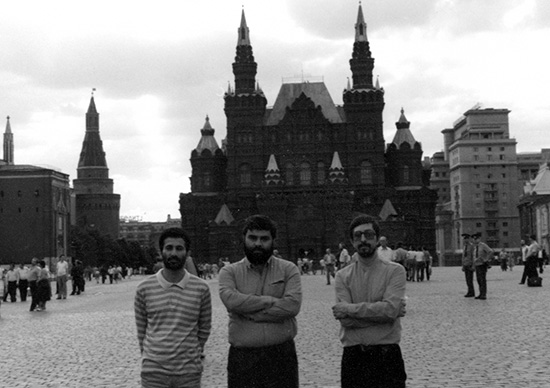
June 1984, Moscow, Red Square, Lenin Museum, Mr. Nobari, me, and Kia Tabatabaei (Ambassador of Iran to the Soviet Union)
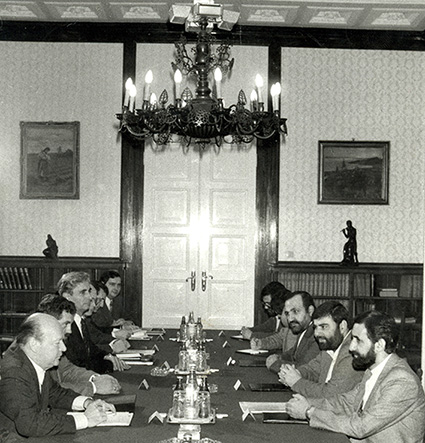
December 1984, Ministry of Foreign Affairs of Hungary, meeting with Péter Várkonyi (Minister of Foreign Affairs of Hungary).
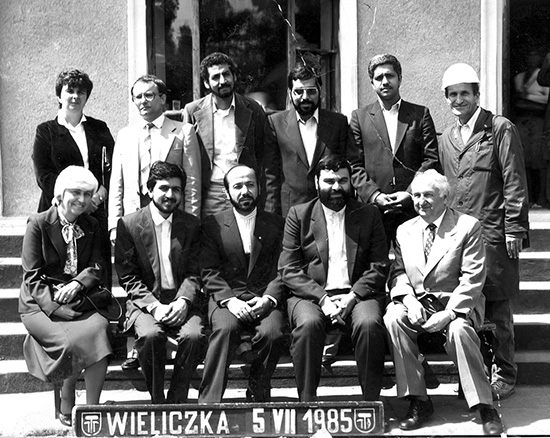
July 5, 1985, Poland, Wieliczka Salt Mine located in Krakow, Mr. Rahmana.
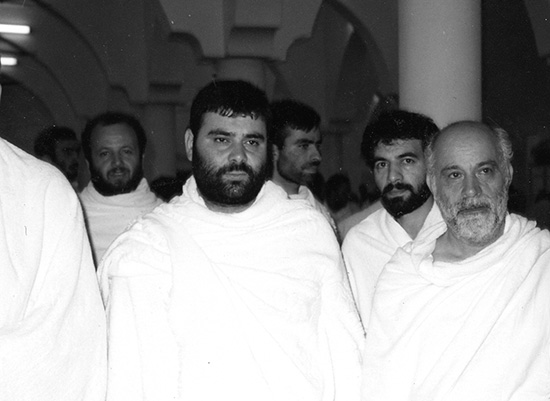
August 1985, the blessed Hajj pilgrimage, beginning of Ihram at Masjid ash-Shajarah, with colleagues from the Ministry of Foreign Affairs
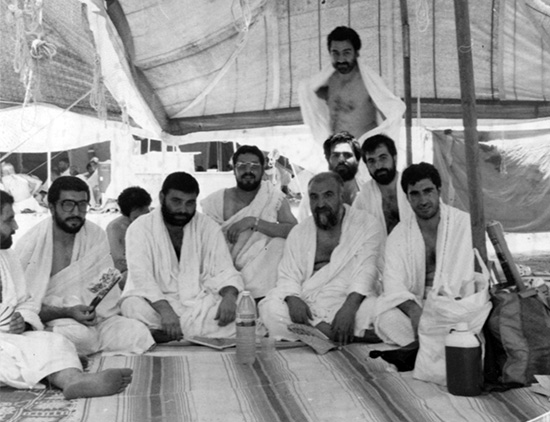
August 1985, the blessed Hajj pilgrimage, standing at Arafat with the late Ayatollah Anvari.
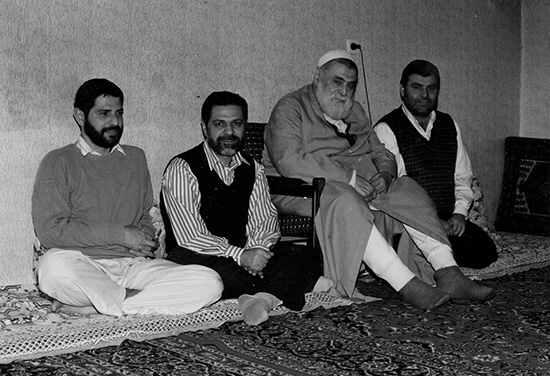
1993, Aghajan’s house, me, Aghajan (Ayatollah Seyed Reza Sadr), Dr. Seyed Kazem Sadr, and Hojjat al-Islam Seyed Mehdi Sadr.
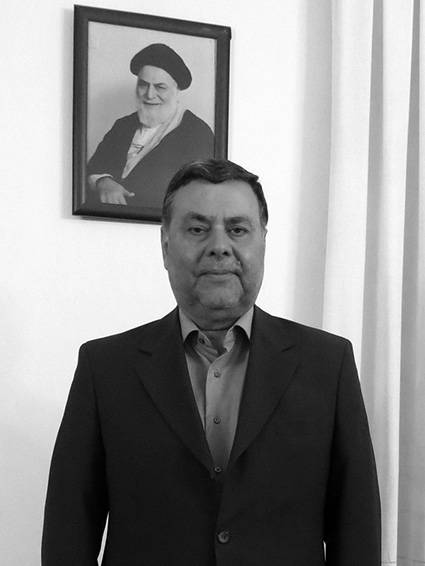
November 2013, private residence
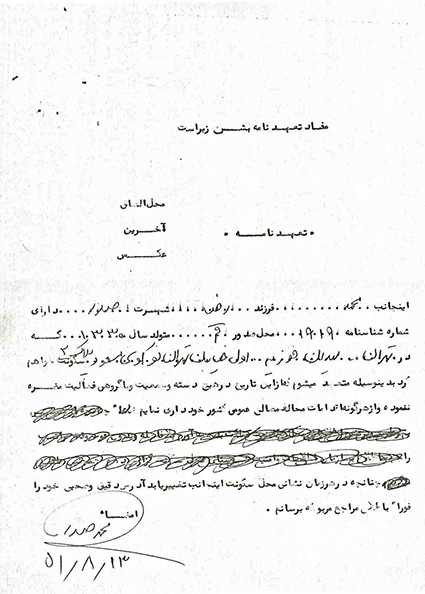
This was my quasi-revolutionary work.
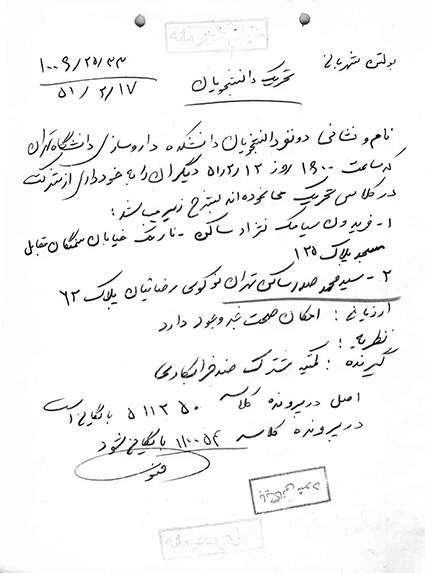
Our activities were public… For example, we would stand in front of the faculty or class doors and announce that classes were canceled due to a strike today.
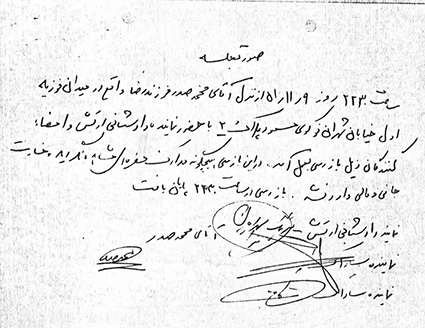
On January 29, 1973, about three months after the first summons, I was arrested.
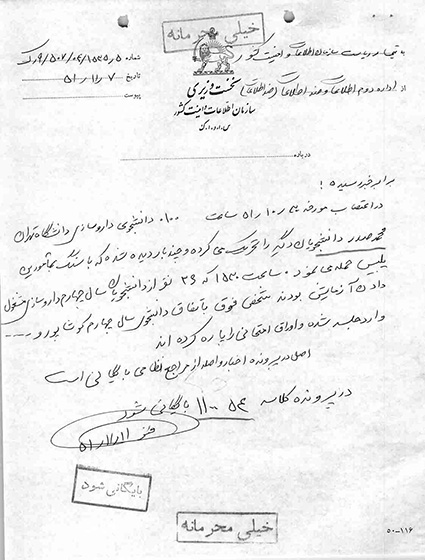
At the time of my arrest, there was a widespread strike and demonstration at the university, in which I was involved.
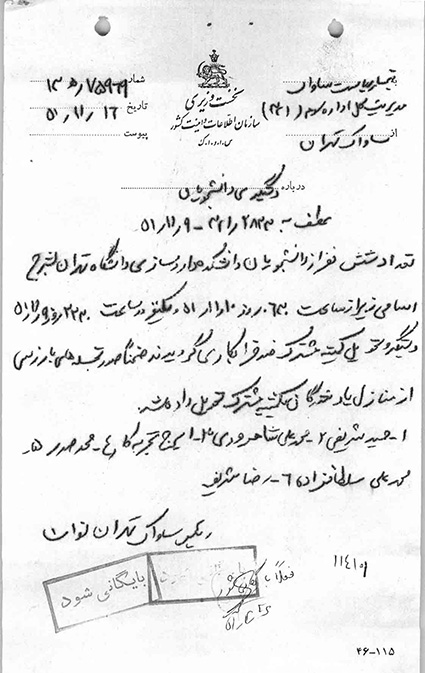
SAVAK agents were waiting for me in the alley… When I opened the door… they said, ‘Mr. Mohammad Sadr, you are under arrest
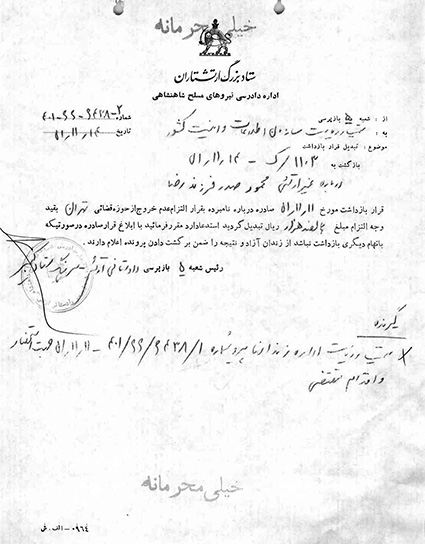
Finally, I was released from the Joint Committee prison without any trial.
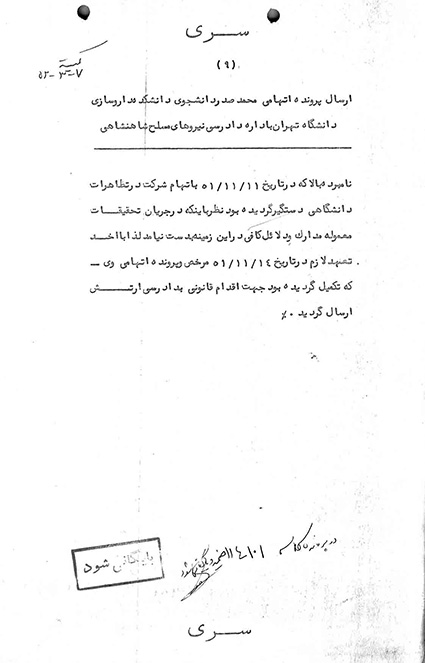
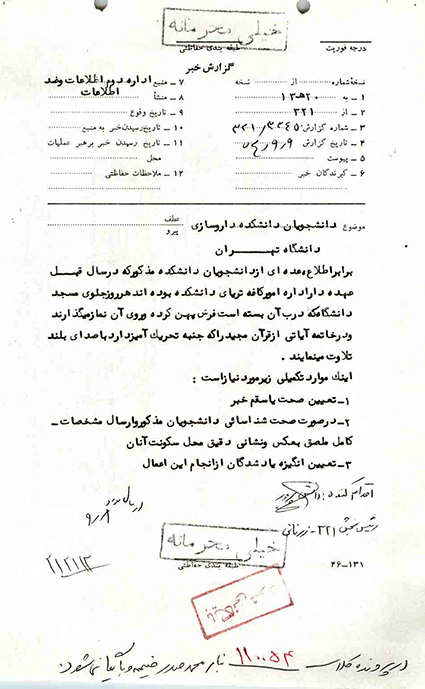
One day when we went to the mosque for prayer, we saw that the university mosque was closed, so we decided to perform the congregational prayer by the pool instead.
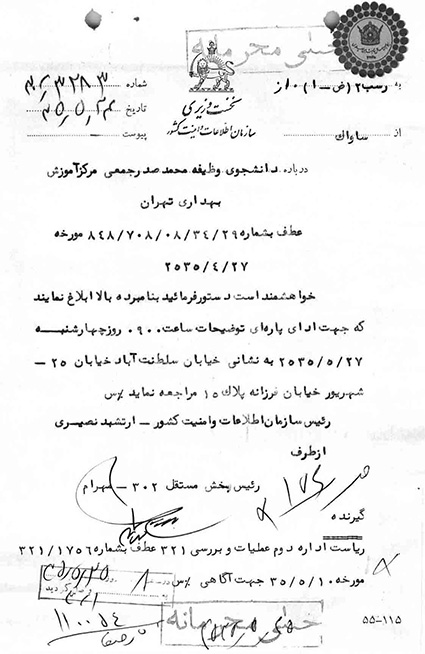
In one of the last meetings, SAVAK summoned me through army counterintelligence.
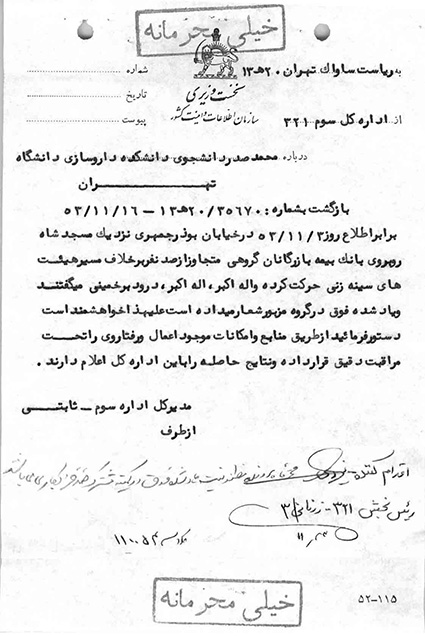
Outside the university environment, this slogan (Allahu Akbar) was unusual and was not chanted at all in society.
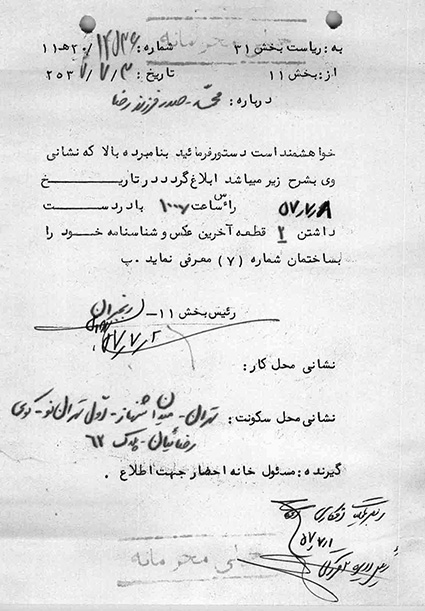
After the massacre that the regime carried out on September 8, 1978… the opposition became more public and popular every day, but I don’t know, in that turmoil, SAVAK summoned me.
Number of Visits: 286
http://oral-history.ir/?page=post&id=13177